Video Marketing: What Actually Matters
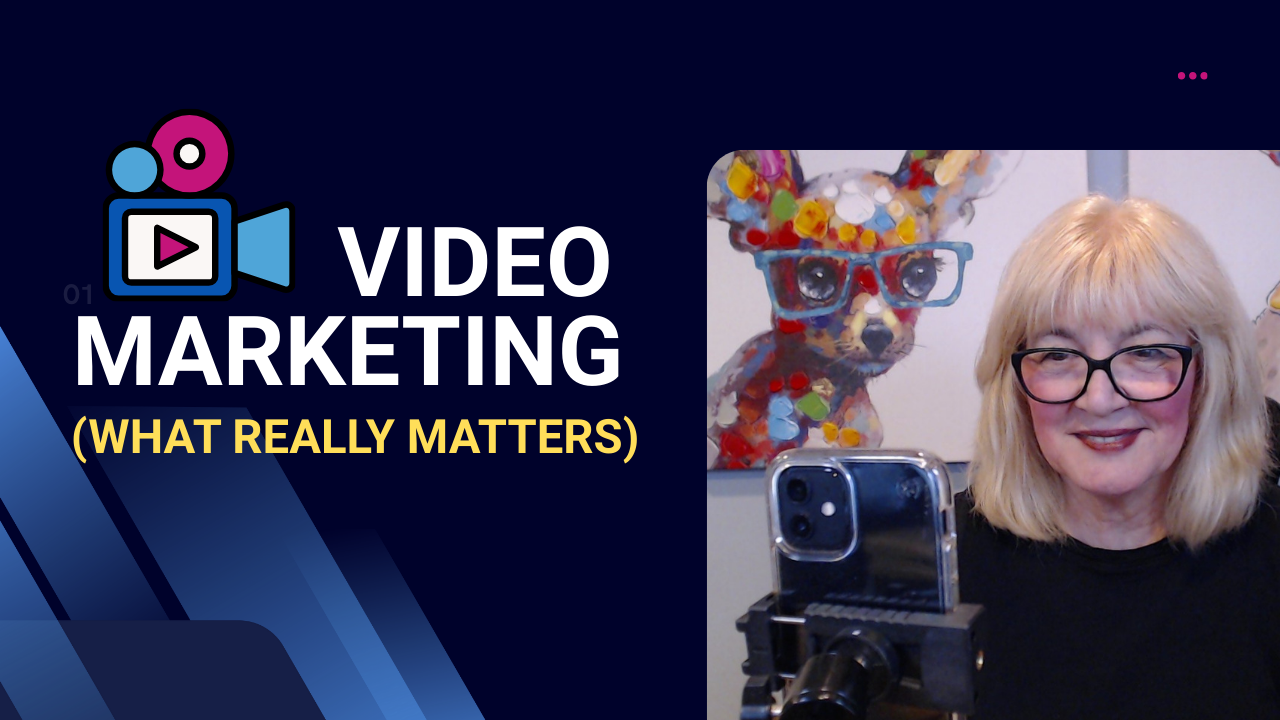
Video marketing tends to feel more complicated than it needs to be.
A lot of the noise around video focuses on the wrong things: equipment, platforms, trends, or trying to look polished. That’s usually what makes people hesitate or stall out.
What actually matters is much simpler.
Effective video comes down to:
→ having a clear idea
→ communicating it plainly
→ showing up consistently
You don’t need to be everywhere. You don’t need to chase every new format. And you don’t need to turn video into a production.
Most people don’t struggle with video because they “can’t do it.” They struggle because they’re overthinking it, comparing themselves to people further along, or assuming there’s a right way they haven’t figured out yet.
There isn’t.
Video works when it’s:
→ clear, not clever
→ useful, not perfect
→ human, not overproduced
Once you focus on those fundamentals, decisions about confidence, equipment, formats, and workflows become much easier to make.
Get Comfortable On Camera
Almost everyone feels uncomfortable on camera at first. That’s normal.
What’s often framed as a confidence issue is usually a familiarity issue. Being on camera is a skill, and skills improve with repetition.
You don’t need to be polished or performative to connect with viewers. Clear ideas, a conversational setup, and sounding like yourself matter far more than looking perfect.
Go deeper:
→ Banish on-Camera Anxiety
→ Camera Angles That Help You Connect

You Don’t Need Fancy Equipment
One of the biggest misconceptions about video is that you need the “right” setup before you can start.
You don’t.
For most people, a smartphone is more than enough to create effective video. Modern phones handle video quality extremely well, and they remove a lot of friction that comes with more complicated setups.
If there’s one place to be intentional early on, it’s audio. People will tolerate imperfect video far more easily than they’ll tolerate poor sound. That doesn’t mean you need expensive gear — just that sound quality matters more than lighting tricks or camera specs.
A simple way to think about equipment is this:
→ start with what you already have
→ upgrade only when something becomes a limitation
→ don’t let gear decisions delay action
Buying inexpensive tools first and upgrading later gives you space to learn what actually helps your workflow, instead of guessing upfront.
The goal of equipment isn’t to look impressive. It’s to make recording easier and more reliable so you can focus on what you’re saying, not what you’re using.
Go deeper:
→ What You Actually Need to Start Creating Video
You Don’t Always Need to Be On Camera
Being on video doesn’t always mean talking to the camera.
A lot of people assume that if they don’t want to speak on camera, video just isn’t an option for them. That’s not true. There are plenty of ways to create effective video content without being on camera the entire time — or at all.
This is where B-roll and simple overlays come in.
B-roll is supporting footage. It might be:
→ you working at your desk
→ recording your podcast
→ walking, traveling, or running errands
→ a screen recording
→ footage of your environment
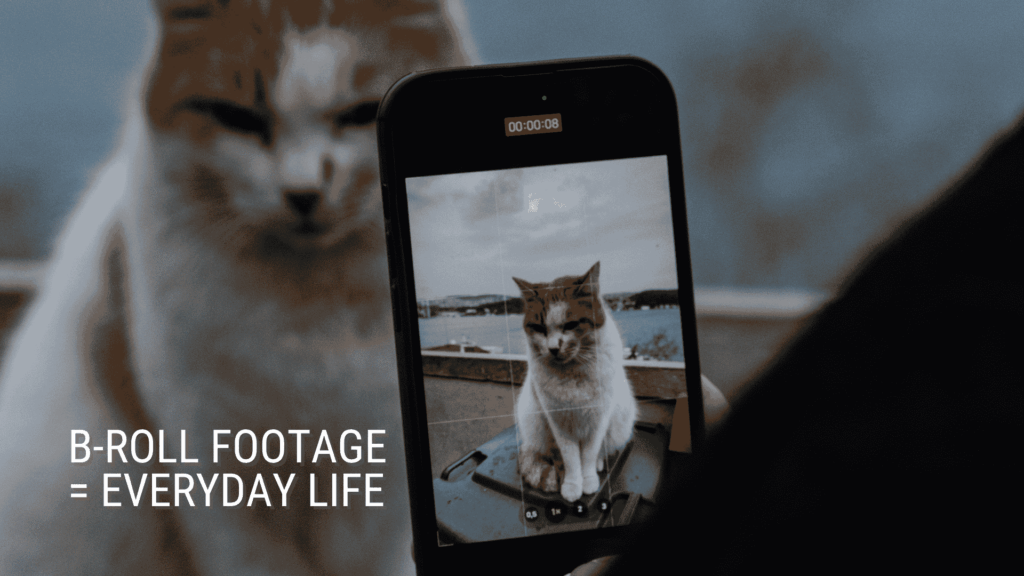
This kind of video lowers the pressure because it shifts the focus away from performance and onto the message. It also allows you to create content by documenting what you’re already doing, instead of staging something just for video.
You can pair B-roll with:
→ on-screen text
→ music
→ a short voiceover
These “lighter-lift” videos are often easier to create and easier to repeat. They’re also reusable — the same footage can support multiple pieces of content over time.
For many people, this is the bridge between avoiding video altogether and eventually feeling more comfortable showing up on camera.
Go deeper:
→ How to Use B-Roll to Create Video Without Being on Camera
Simple Workflows Beat Motivation
Relying on motivation is one of the fastest ways to stay inconsistent with video.
Most people don’t struggle because they lack ideas or discipline. They struggle because video feels scattered — they’re deciding what to say, how to record, and how to edit all at once.
Simple workflows remove that friction.
Instead of trying to do everything in one sitting, it helps to separate the process:
→ capture ideas when they come up
→ record multiple videos in one session when possible
→ edit later, in batches
This approach makes video feel less like a performance and more like a repeatable process.
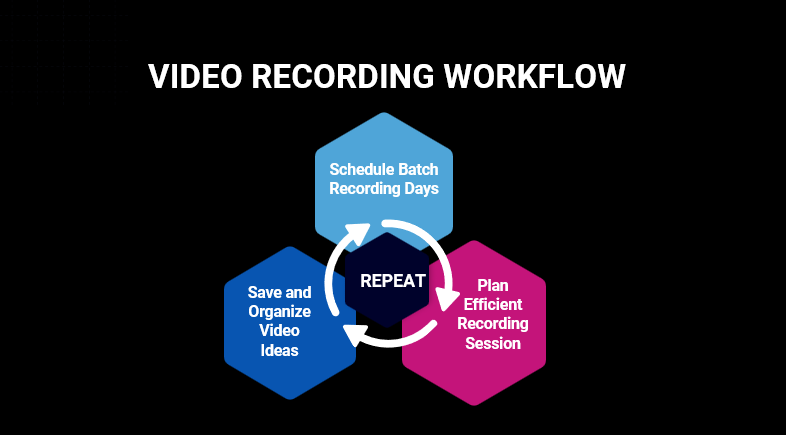
Even small changes — like recording several short videos back-to-back, or keeping a running list of ideas — can dramatically reduce the time and mental energy video requires.
Consistency doesn’t come from forcing yourself to “feel inspired.” It comes from having a system that’s easy to return to, even on busy weeks.
Go deeper:
→ How to Batch Record Videos Without Overthinking It
Different Video Styles Serve Different Goals
Not every video needs to do the same job.
One reason people get stuck is trying to make every video educate, entertain, sell, and build connection all at once. That’s unnecessary and exhausting.
Different video styles work best for different purposes.
Educational videos are designed to teach. They help viewers understand a concept, learn a process, or see how something works. These are often straightforward and focused, and they build credibility over time.
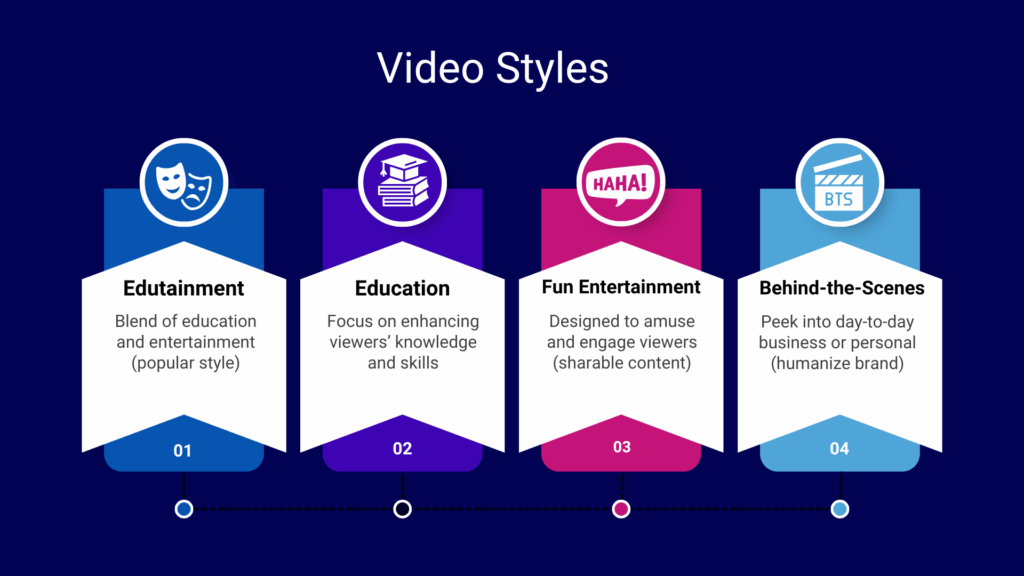
Edutainment blends education with a lighter, more engaging delivery. These videos still have a point, but they’re designed to grab attention and keep people watching. Used sparingly, they can help your content stand out without turning everything into a performance.
Behind-the-scenes videos help people understand how you work and what your day-to-day looks like. They build familiarity and trust by showing the process, not just the outcome.
Fun Entertainment videos don’t need a lesson at all. Their job is connection. They remind people there’s a human behind the content.
When you stop trying to force every video into the same mold, it becomes much easier to decide what to create — and why.
Go deeper:
→ Four Video Styles and When to Use Each
Going Forward
You don’t need to master video before you start using it effectively.
Video is a skill, not a personality trait. The only way it becomes easier is through repetition. Progress matters far more than polish.
When you focus on clarity, usefulness, and consistency, everything else improves over time.
Video isn’t about being perfect. It’s about showing up.
⁉️Need help with your video marketing?
Learn about 1:1 Video Coaching and Support
Explore Video Marketing and LinkedIn Engagement Team Training